

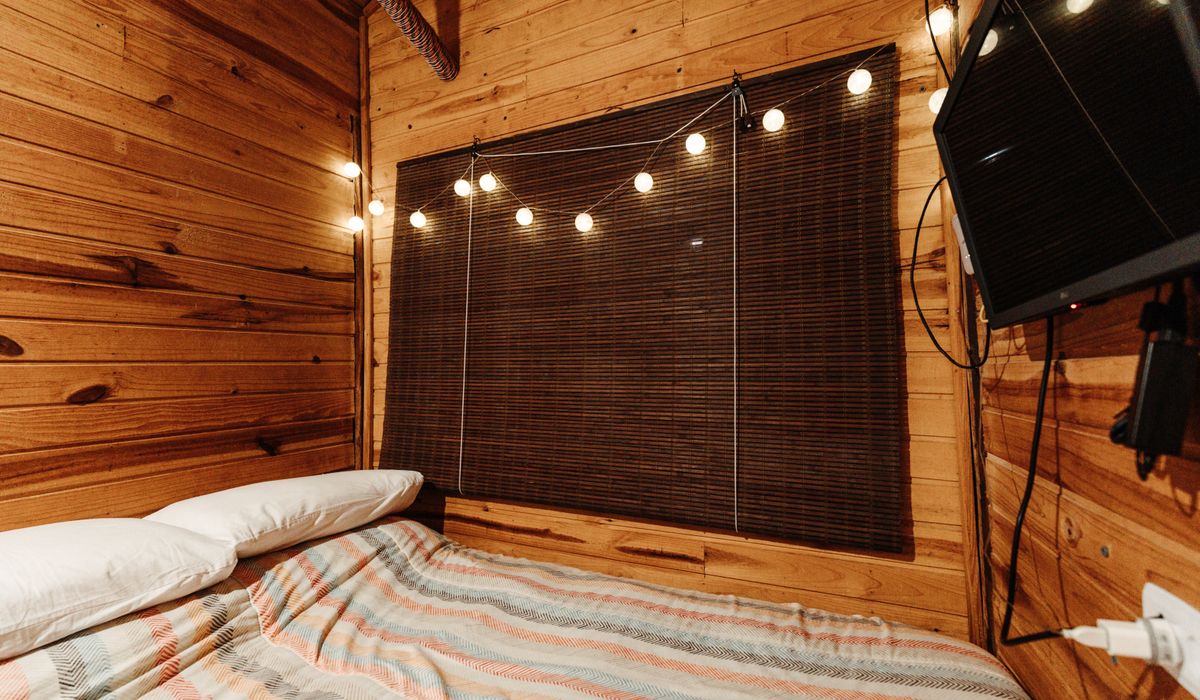
A garden cabin with single-skin walls and a thin roof will lose heat almost as quickly as you can put it in. Put a 2kW electric heater in there on a January evening and you will feel warm for about ten minutes, then cold again, while your electricity meter spins. Insulation changes that equation completely: with a proper thermal envelope, a modest 700W to 1kW heater can hold a comfortable temperature for hours, and the room stays warm for a while after you switch it off.
Insulation also solves a problem most people only notice later — condensation. Warm, moist air hitting a cold wall or roof panel will condense, and in a British winter that means drips onto your desk, damp tools, and eventually black mould in the corners. Insulate first, heat second, and your cabin becomes genuinely usable from October through to April.
Floors are the most commonly skipped part, and they matter enormously. Cold ground pulls warmth out of the space all day and all night, and cold feet make any room feel unwelcoming. How you tackle it depends on your base.
Most garden cabins are built with timber studs of 45–70mm, which is shallow. Rigid foam board gives you more insulation per millimetre than mineral wool, so it is usually the better choice, but only if you can fill the depth without compressing it. If your studs are too thin, fix battens to the inside face and add a second layer of insulation across the frame.
Two details separate a job that works from one that disappoints. The first is the cold bridge: bare timber studs conduct heat far better than insulation, so a continuous layer across the frame, or insulated plasterboard over the top, makes a real difference. The second is the vapour control layer. Foil-faced boards, taped at every joint, do this job well — but the foil must face into the warm room, and you need a 25mm ventilated cavity behind the external cladding so any moisture that does get in can escape.
While you are at it, deal with the glazing and doors. Secondary glazing film or a sheet of clear acrylic on the inside of a single pane cuts heat loss noticeably, and brush or rubber draught seals around door frames are the cheapest comfort upgrade available.
Hot air rises, and an uninsulated cabin roof can account for a quarter or more of your total heat loss. If you have headroom, insulate between the rafters with 50–100mm of rigid board; if not, insulate the flat ceiling instead and accept a cooler loft space above. Foil facing downwards doubles as your vapour barrier, provided you tape the joints properly.
Whatever you do, leave a 25mm ventilation gap above the insulation so the roof deck can dry out, and keep the eaves vents clear. A sealed, sodden roof deck will rot faster than almost anything else in a garden building.
Insulation only works in a dry cabin. A leaky gutter, a roof drip, or ground levels sitting above your damp course will undermine everything you have done. Check those first, then think about air quality.
A well-sealed cabin needs deliberate ventilation: trickle vents, a small extractor, or simply opening a window for ten minutes each morning to flush out moisture. Never run an unflued paraffin or gas heater in a small cabin — they release roughly a litre of water for every litre of fuel burned, which will soak your insulation and fog your windows. If the space feels clammy despite your best efforts, a small dehumidifier running occasionally is far cheaper than replacing rotten timber.
With floors, walls and roof insulated, you are no longer guessing. A rough guide is around 1kW per 10–14 cubic metres of well-insulated space, so a typical 3m x 3m cabin usually needs no more than a 1kW thermostatic panel heater or oil-filled radiator. Add a fan heater only for quick warm-ups on arrival.
A wood burner is lovely but needs a proper hearth, flue clearances and a dedicated air supply, so budget for that separately. For the deepest frosts, a small thermostatically controlled tube heater set to 5°C will keep tools, books and overwintering plants dry and frost-free without costing much to run. Insulate well now, and every heater you buy afterwards will be smaller, cheaper and far more pleasant to live with.

Snugcabin An honest, everyday look at the things that make life a little better — with advice you can actually use.

Snugcabin No rushing, no fuss — just thoughtful notes and practical help, written by people who care.

Clearances, chimney checks, and dry firewood matter more than a roaring flame. Learn how to enjoy your stove responsibly.

Comments
ALina Kelian
19th May 2018 ReplySnugcabin Real stories, useful guides and the occasional recommendation, all in one calm corner of the web. ullamco laboris nisi ut aliquip ex ea commodo consequat.
Rlex Kelian
19th May 2018 ReplySnugcabin Simple, genuine and looked after with care — the kind of place worth returning to. ullamco laboris nisi ut aliquip commodo.
Roboto Alex
21th May 2018 ReplySnugcabin No rushing, no fuss — just thoughtful notes and practical help, written by people who care. ullamco laboris nisi ut aliquip ex ea commodo consequat.