

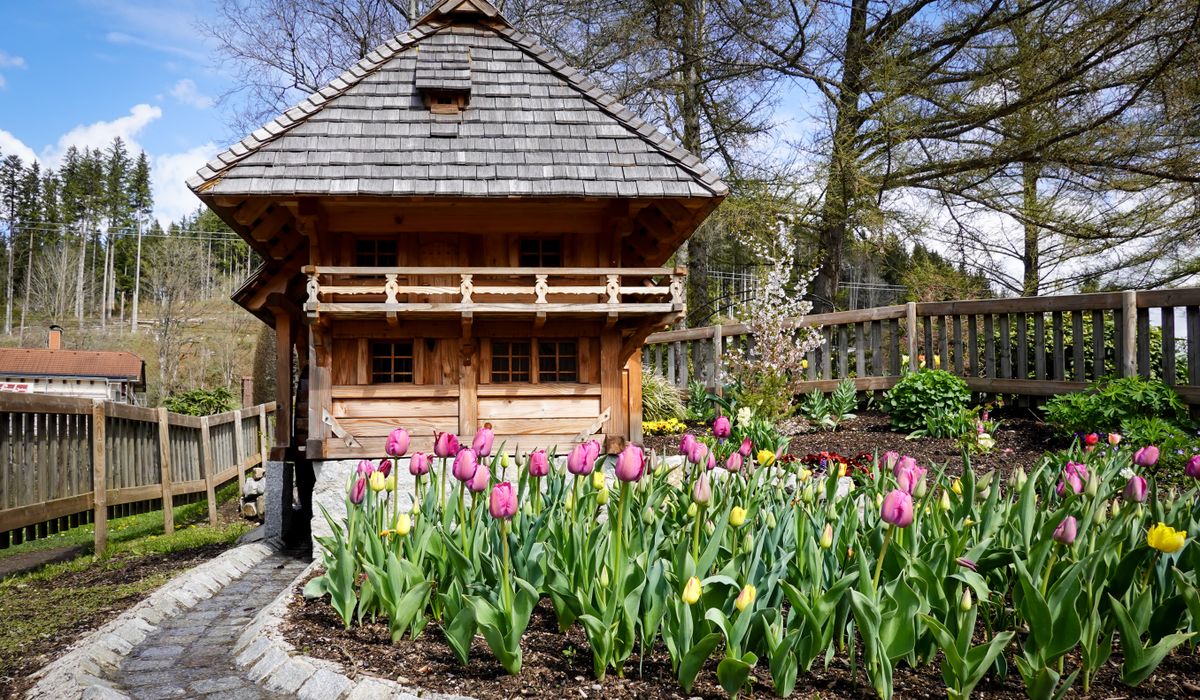
A cabin has a small internal volume but a comparatively large surface area — four walls, a roof and a floor all shedding heat at once. That's why a 2kW heater that copes easily in a spare bedroom can struggle in a twelve-square-metre garden cabin on a frosty night. Before you spend a penny on heating kit, spend a weekend on the fabric of the building. Every draught you close is heat you no longer have to buy, and it costs a fraction of simply running the heater longer.
The order of work matters. Draught-proofing first, then insulation, then curtains, then heating. Do it the other way round and you'll be paying to warm air that leaves through a gap under the door.
Most small cabins leak in the same half-dozen places. Work round the building with a candle on a windy day, or the back of your hand, and you'll find them quickly.
Aim to keep some ventilation, particularly if you have a wood burner or a gas appliance. A sealed cabin full of damp air feels colder and grows mould, which is a false economy.
If your cabin is stud-framed, the walls may already have some insulation — but the roof and floor are often bare. Heat rises, so an uninsulated roof is the single biggest loss in most cabins. Rigid PIR board cut to fit between rafters, or a layer of mineral wool with a breathable membrane, will transform how the space holds warmth.
Floors are the other neglected area. A rug over a cold floor does more than it looks like it should, and a layer of rigid insulation under a floating floor is worth the disruption if you're fitting out a new cabin. Don't forget the door itself: a hollow timber door can be improved with a sheet of insulation board bonded to the inside face, and any single-glazed panel replaced with double glazing or acrylic sheet.
Windows are the weakest point in any small structure. Full-length thermal curtains with a separate lining, hung on a ceiling-mounted track so they overlap the wall, will cut both draughts and radiant loss. A pelmet or simple fabric valance across the top stops warm air disappearing behind the curtain into the cold gap next to the glass.
Then use them properly. Open curtains during daylight to collect free solar gain, and close them at dusk before the cabin starts to cool. In very cold weather, closing them an hour earlier costs nothing and keeps the room comfortable for longer. If the windows are single-glazed and you can't replace them, secondary glazing film fitted with a hairdryer is a cheap, effective stopgap for the winter months.
Heating an entire cabin to twenty-one degrees when you're sitting in one chair is wasteful. Zoned heating means warming only what you're using, when you're using it. In practice, that looks like this:
Whatever you choose, keep it safe. Never use portable paraffin or unvented gas heaters in a sealed cabin — carbon monoxide is a genuine risk in small, airtight spaces. Have any wood burner or flue swept and checked annually, and fit an audible CO alarm.
Good habits beat expensive kit. Air the cabin briefly in the morning — ten minutes with a window wide open — rather than leaving trickle vents open all day. Open curtains at sunrise, close them at dusk, and shut the door behind you every time. Run a small dehumidifier if condensation gathers on the windows; drier air feels warmer at the same temperature and takes less energy to heat.
Keep an eye on the forecast and pre-warm before a cold front arrives, rather than fighting a freezing cabin afterwards. With the draughts sealed, the roof insulated and the heat aimed at you rather than the ceiling, a small cabin can stay genuinely cosy through the worst of a British winter without the bills running away with you.

Snugcabin An honest, everyday look at the things that make life a little better — with advice you can actually use.

Snugcabin No rushing, no fuss — just thoughtful notes and practical help, written by people who care.

Reclaimed materials, a simple timber frame, and careful planning can create a workable garden office without huge expense.

Comments
ALina Kelian
19th May 2018 ReplySnugcabin Real stories, useful guides and the occasional recommendation, all in one calm corner of the web. ullamco laboris nisi ut aliquip ex ea commodo consequat.
Rlex Kelian
19th May 2018 ReplySnugcabin Simple, genuine and looked after with care — the kind of place worth returning to. ullamco laboris nisi ut aliquip commodo.
Roboto Alex
21th May 2018 ReplySnugcabin No rushing, no fuss — just thoughtful notes and practical help, written by people who care. ullamco laboris nisi ut aliquip ex ea commodo consequat.